
Glaucoma Treatment
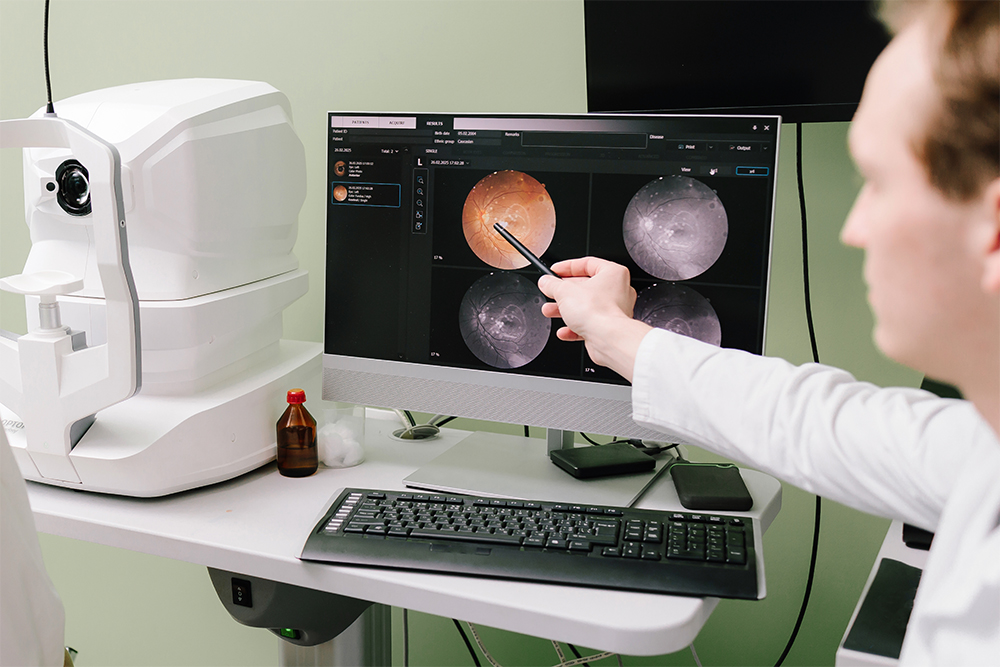
If you’ve been diagnosed with glaucoma, you’re probably already familiar with the typical options in glaucoma treatment – eye drops, laser treatment or traditional surgery. While these are certainly effective, especially when glaucoma is diagnosed early, researchers have been working hard to offer new glaucoma treatments. Their goal is not only to improve outcomes but also reduce the treatment’s side effects and frequency of use.
What is the Goal of Glaucoma Treatment?
Before we dive into the new options, it’s important to understand the goal of any glaucoma treatment. At present, glaucoma is not curable. However, treatment can significantly slow the progression of the disease. Glaucoma damages your eye's optic nerve. Glaucoma is a progressive eye disease caused by a buildup of fluid within the eye, leading to increased pressure that can damage the optic nerve and result in permanent vision loss if left untreated. Reducing this pressure is the primary objective of any glaucoma treatment. This is often referred to as intraocular pressure or IOP.
Standard Glaucoma Treatments
Intraocular pressure–lowering eye drops are the cornerstone of glaucoma treatment, working by either reducing the amount of fluid the eye produces or improving the drainage of fluid out of the eye to lower pressure inside the eye. By effectively decreasing intraocular pressure, these medications help protect the optic nerve from further damage and slow the progression of the disease. Over the years, glaucoma eye drops have had a profoundly positive impact on patient outcomes—significantly reducing the risk of vision loss, preserving functional sight, and providing a safe, non-invasive first line of defense for millions of individuals. When used consistently as prescribed, these medications remain one of the most effective and reliable tools in long-term glaucoma management.
Minimally Invasive Glaucoma Surgery
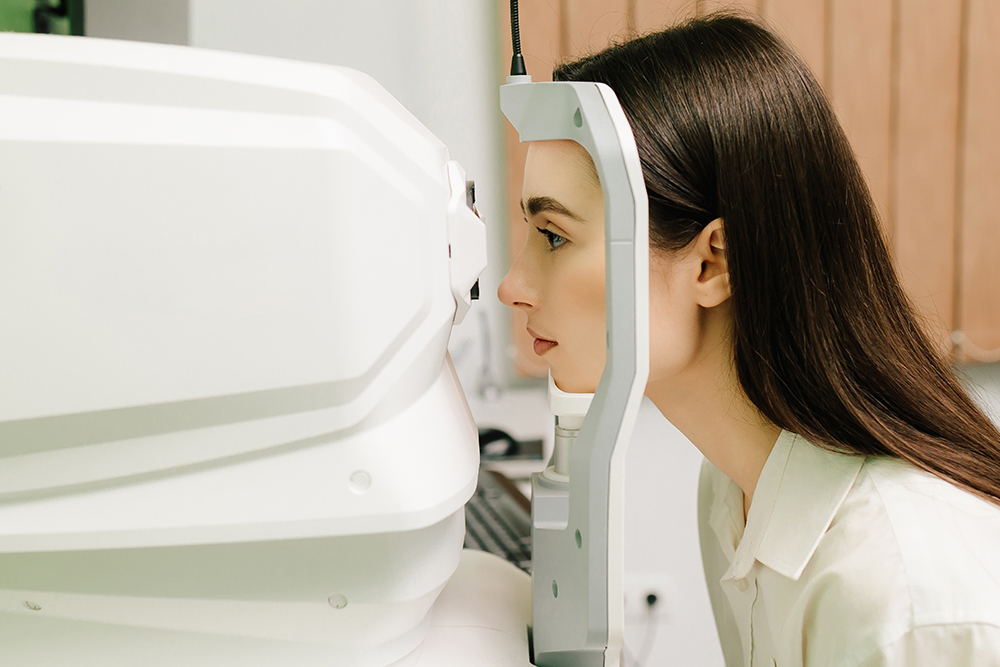
Minimally Invasive Glaucoma Surgery (MIGS) procedures are small cuts or micro-incisions through the cornea that cause the least amount of trauma to the surrounding tissues. Doctors implant a tiny device to allow fluid to drain from the eye, reducing internal pressure. Some devices (iStent) are implanted during cataract surgery. Cataract surgery alone lowers pressure, but the combination of both is more effective and can lower the need for medication.
These new techniques minimize tissue scarring, allowing for the possibility of traditional glaucoma surgery in the future if needed. They also give doctors the opportunity to treat patients earlier and more safely than older surgeries.
Monitoring Eye Pressure
If you have a glaucoma diagnosis, you can feel confident that your glaucoma treatment options are only going to improve in the years ahead. Although the disease is not curable, it is very manageable with the right treatment.
Quick Links
Helpful Articles
article_category: products
article_category: psychiatry
article_category: faqs
article_category: cats
article_category: general
article_category: services
article_category: technology
article_category: dogs
article_category: restorative
article_category: vision therapy
article_category: contact lenses
article_category: health
article_category: conditions
article_category: eye surgery co-management
article_category: exotic
article_category: cosmetic
article_category: surgical procedures
article_category: aesthetics
article_category: preventative
article_category: ocular disease management
article_category: eyeglasses
article_category: eye health
article_category: large animal
[]
article_category: psychiatry
article_category: faqs
article_category: cats
article_category: general
article_category: services
article_category: technology
article_category: dogs
article_category: restorative
article_category: vision therapy
article_category: contact lenses
article_category: health
article_category: conditions
article_category: eye surgery co-management
article_category: exotic
article_category: cosmetic
article_category: surgical procedures
article_category: aesthetics
article_category: preventative
article_category: ocular disease management
article_category: eyeglasses
article_category: eye health
article_category: large animal
[]
Flowbite is an open-source library of interactive components built on top of Tailwind CSS including buttons, dropdowns, modals, navbars, and more.
Check out this guide to learn how to get started and start developing websites even faster with components on top of Tailwind CSS.
All Eye Care Services
Find personalized eye care excellence with our comprehensive services. From eye exams to advanced diagnostics, trust us for all your vision needs.

Keep In Touch
For non-urgent questions or to learn more about our services, contact us today!
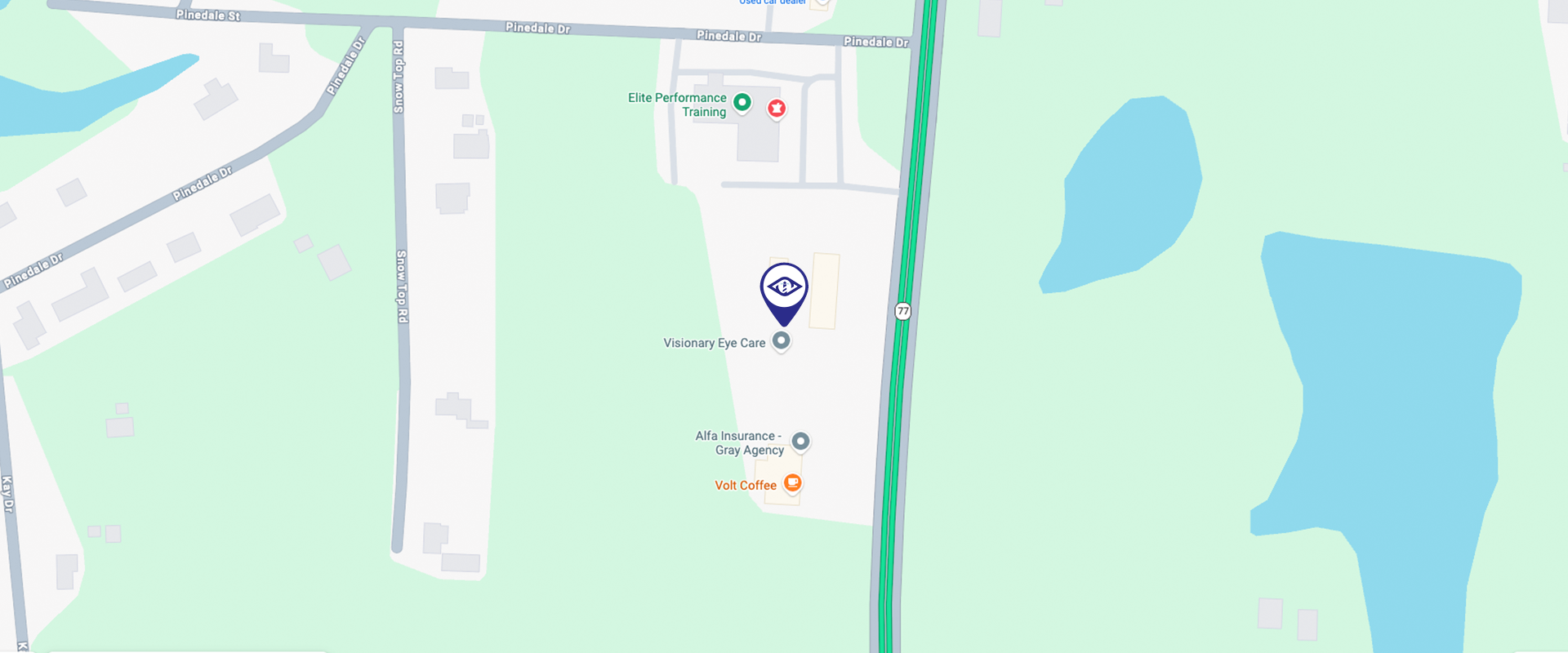



Contact Information
Hours of Operation
- Monday 8:00am - 5:00pm
- Tuesday 8:00am - 5:00pm
- Wednesday 8:00am - 5:00pm
- Thursday 8:00am - 5:00pm
- Friday 8:00am - 12:00pm
- Saturday Closed
- Sunday Closed
Closed for Lunch: 12:00pm - 1:00pm
© 2026 Visionary Eye Care. All rights Reserved - Accessibility Statement - Privacy Policy - Sitemap
Managed and Designed by 